
Olfactory Families: From Floral and Woody to Gourmand, Chypre and Fougère
Perfumery has its own map. Once you learn to recognise the olfactory families, a whole shelf of candles and diffusers is no longer just a row of beautiful names, but a territory you can find your own way through.
The short answer
Olfactory families are categories used to group fragrances according to their dominant character. Floral, woody, amber, citrus, aromatic, chypre, leather and gourmand are just some of the names you will come across in perfumery.
The boundaries between them are not rigid, though. A fragrance can combine several olfactory directions, for example floral-woody, spicy amber or citrus-aromatic, and the way they meet builds its personality.
What an olfactory family is, and why it helps to know it
An olfactory family is a category in which fragrances are grouped by their dominant character, much as music groups songs into genres. It does not tell you everything about a composition, but it gives you a reference point: it suggests the olfactory direction and the kind of sensation you can expect when you smell it.
In home fragrance, olfactory families can be a very useful tool. They explain why two candles with completely different names can seem related, help you understand exactly what you liked or disliked about a particular scent, and give you pointers for your next choice.
There is also a powerful link between smell, memory and emotion, which we wrote about in our article on the Proust effect. Olfactory families, by contrast, give us a vocabulary with which to begin describing and distinguishing what we smell.
Expert note
In practice, a fragrance rarely fits into a single direction. A floral can have a woody base, an amber can reveal spicy accents, and a gourmand can be built around woody, floral or amber facets.
That is why you will often see descriptions such as floral-woody, spicy amber or citrus-aromatic. One term usually indicates the dominant character, while the other helps describe an important facet of the composition.
The floral family: the universal language of perfumery
The floral family is one of the most important and diverse in perfumery. Rose, jasmine, tuberose, orange blossom or peony accords can build very different fragrances: from transparent, green and delicate to rich, creamy or opulent.
Sometimes the floral character immediately recalls a fresh bouquet; at other times the flowers are stylised until they become more abstract and harder to identify individually. It is precisely this diversity that allows the floral family to take very different forms in home fragrance too.
Where it works: delicate, airy or slightly green florals work very well in the bedroom and in spaces for relaxing, while richer white florals such as jasmine or tuberose can have enough presence for a living room or a space where you entertain guests.
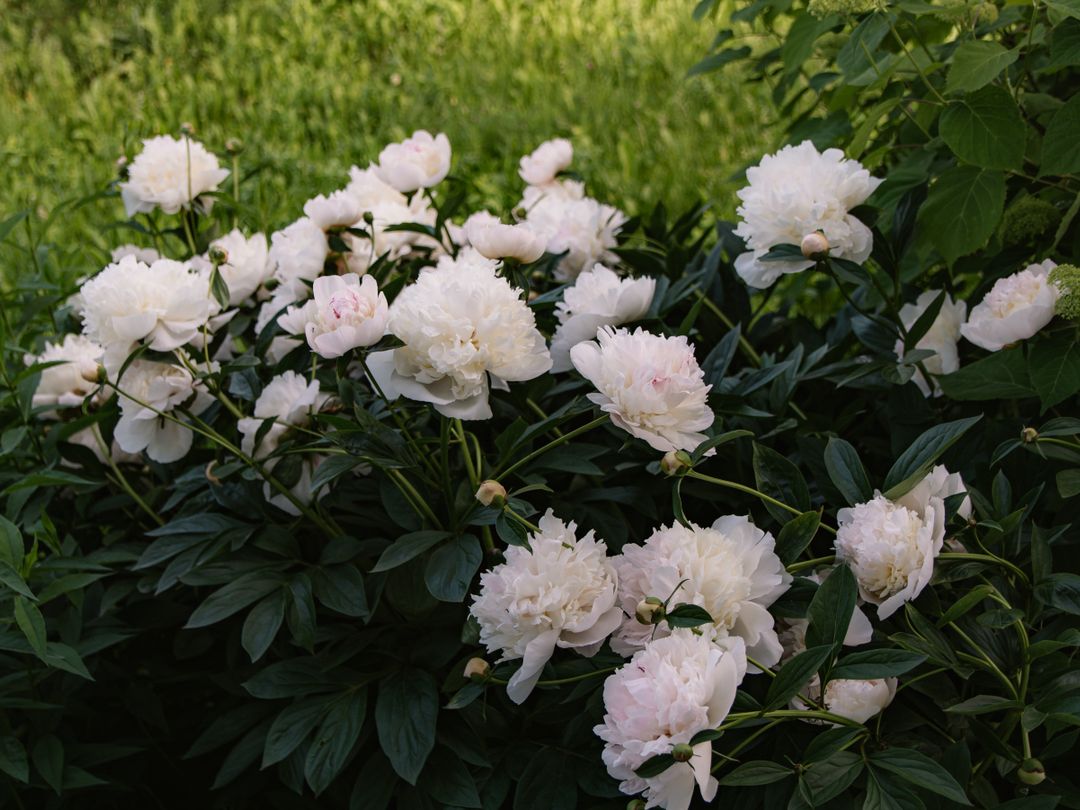
And it is not only the flower that matters. Perfumery uses materials obtained from different parts of the plant, from flowers, leaves, stems and seeds to roots, each with a different olfactory profile. The leaves and buds of blackcurrant (cassis), for example, yield an intense, green, fruity absolute, while the roots (more precisely, the rhizomes) of iris can give the precious orris, with powdery, woody and slightly earthy facets. Sometimes the scent of a flower cannot practically be extracted from the plant and is recreated by the perfumer through an accord. This is the case, for example, with peony and lily of the valley.
In the Little Paris Atelier collection, Tuberose explores the more intense side of the floral family. Tuberose, one of the white flowers with the strongest olfactory personality, is accompanied here by Blackcurrant and Amber, which take the composition in a richer, more sensual direction.
For a brighter interpretation of the family, Slow Sunday combines Freesia with Pear and Musk in an airier, more delicate construction. And We Meet Again, with Hyacinth, Lily of the Valley and Peach, shows another facet of the floral, greener and fresher.
The woody family: the backbone of fragrance
Cedar, vetiver, sandalwood, patchouli, oud. The woody family brings together some of the most important structural materials in perfumery. It can be dry or creamy, warm, earthy, resinous or smoky, and can evoke a forest, freshly cut wood, an old library or the smell of the earth after rain.
Here, too, "woody" does not necessarily mean the raw material comes from the wood of a tree. Cedar and sandalwood are obtained from wood, but vetiver comes from the roots of a grass, and patchouli from the leaves of a plant in the mint family. Oud has an even more unusual story: it forms in the wood of certain Aquilaria trees in response to damage and microbial colonisation. In contemporary perfumery, many of these scents can also be reconstructed or interpreted with synthetic molecules.

Where it works: woody fragrances work very well in the living room, study or library, especially when you want a calm, sophisticated atmosphere. Dry, airy woods can feel more sober and clean, while sandalwood, oud or blends with resins can create a warmer, denser mood.
In the Little Paris Atelier collection, the woody family takes very different forms. Woodland Thoughts, with Vetiver, Cedarwood and Saffron, explores a drier, green and spicy direction. Nocturne, built around Oakwood, Saffron and Vanilla, is darker and more velvety, while Night at the Chalet, with Burnt Wood, Vanilla and Clove, takes the family towards smoky warmth, with the impression of a fire in the hearth.
The amber family: warmth, resins and long evenings
Long known as the oriental family, the amber family is built around warm, enveloping accords that often feature vanilla, labdanum, balsams, resins and spices. Amber fragrances can be sweet, resinous, spicy, powdery or even dark, but they usually keep a sense of warmth and depth.
An important detail: amber in perfumery is not the gemstone. The amber we know as a stone is a fossilised resin and is not the source of an amber fragrance's scent. In perfumery, "amber" refers to an accord, traditionally built around warm, balsamic materials such as labdanum and vanilla, to which resins, spices, wood or other notes may be added.
The name "oriental" was used for this family for a long time, but in contemporary perfumery the term amber is increasingly preferred. It is a family often associated with rich, sensual fragrances, and in home fragrance it suits evenings and the colder months beautifully.

Where it works: amber fragrances create a warm, intimate atmosphere, which is why they work so well in the living room, bedroom or any space where you want a feeling of comfort. If you do not like very sweet fragrances, look for an amber with wood, spices or smoky notes; if you prefer something more velvety and comforting, vanilla, tonka and balsams can take it in a rounder direction.
In the Little Paris Atelier collection, Spicy Romance, with Sandalwood, Black Pepper and Amber, explores the spicy, woody side of the family, while Downtown Baby, with Tobacco, Vanilla and Tonka Bean, goes in a warmer, sweeter and more sensual direction.
The gourmand family: the fragrance good enough to eat
Gourmand is one of the more recent directions in modern perfumery, which became emblematic in the 1990s. It is built around notes that evoke taste and the world of food: vanilla, caramel, coffee, cocoa, praline, honey, candied fruit or pâtisserie accords. These are fragrances that can very easily awaken feelings of comfort and nostalgia. The unofficial rule? If it makes your mouth water, you have probably entered gourmand territory.
But gourmand does not necessarily mean very sweet. Gourmand notes can be set against wood, spices, tobacco, salt, musk or even green and aromatic facets, and the result can range from creamy and comforting to dark, salty, spicy or surprisingly dry. It is precisely these contrasts that stop the family from being reduced to the simple smell of dessert.
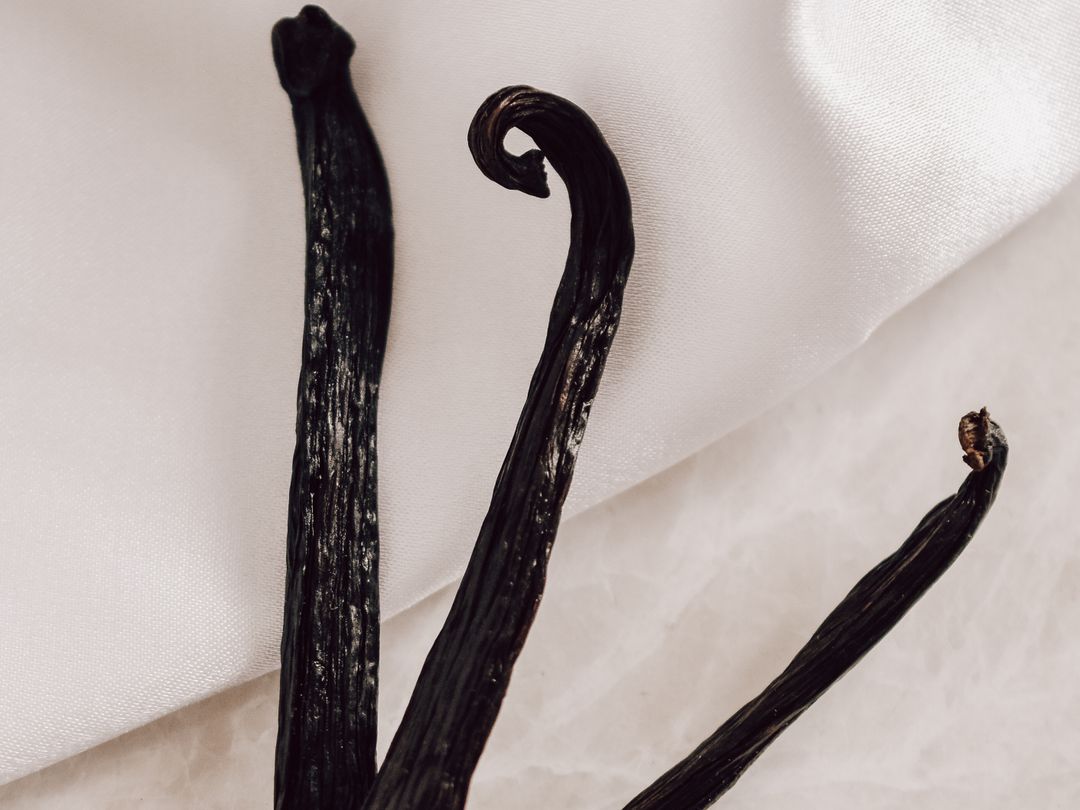
Where it works: in home fragrance, gourmands are excellent when you want to create a warm, familiar atmosphere, especially in the living room or spaces for relaxing. Very rich, sweet compositions can become intense in small rooms, while spicier, woodier or airier gourmands are easier to live with.
In the Little Paris Atelier collection, Elixir Vanilla, with Madagascar Vanilla, Nutmeg and Butter, explores the creamy, spicy side of the family, while Secrets in the Oven, with Apple, Vanilla and Caramel, goes straight to the world of pâtisserie and the feeling of a dessert just out of the oven.
The contemporary gourmand goes far beyond dessert, though: bread, rice, sesame, tea or even salty notes can become the starting point of a composition.
Fresh: citrus, green notes and the feeling of fresh air
"Fresh" is more an umbrella category than an olfactory family defined in the same way across every classification system. The name often groups together citrus, green, aquatic or very luminous fragrances, built around a sense of freshness.
Bergamot, lemon, grapefruit and mandarin are classic markers of the citrus direction, while leaves, herbs and certain vegetal notes take a composition towards green. Aquatic or marine accords create another kind of freshness, more transparent and airy. The results can be very different, but they share an impression of light, air and energy.

A short perfumery lesson:
citrus notes appear so often in the opening of a fragrance because many of their aromatic molecules are highly volatile: we perceive them quickly and intensely, but they fade sooner than the less volatile materials in the heart and base of the composition. That is why bergamot, lemon and mandarin are classic examples of top notes. Bergamot holds a special place: beyond its citrus freshness, it has floral, green and slightly aromatic facets, which makes it one of the most versatile raw materials in perfumery and an excellent bridge between the citrus opening and the rest of the composition.
Where it works: fresh fragrances are very versatile at home. Bright citrus works well in the kitchen and daytime spaces, green and aromatic directions in the study or living room, while aquatic and airy accords can be very well suited to the bathroom or bedroom.
In the Little Paris Atelier collection, freshness takes very different forms. Champagne, with Grapefruit, Pomelo and Rhubarb, explores the citrus, fruity and effervescent side of the category. Cosy Morning, with Lemongrass, Ginger and Vanilla, goes in a fresh-aromatic direction, where green and citrus freshness is gently warmed by spice and vanilla. Sea Blanche takes freshness towards the marine and airy, with the feeling of a breeze and salty air.
The aromatic family: herbs, lavender and clarity
Lavender, rosemary, sage, thyme, basil: the aromatic family is built around the scents we associate with herbs and aromatic plants. It can be green, fresh, camphorous, minty or slightly spicy, and often has that very recognisable feeling of freshly picked plants or leaves crushed between the fingers.
Aromatic materials have a long history in perfumery and personal care, and lavender is probably one of the best-known examples. This is also where some of the family's associations with freshness, cleanliness and grooming rituals come from.
A short perfumery lesson:
the aromatic family is closely linked to fougère, but the two are not synonyms. The classic fougère accord is built around the contrast between lavender, coumarin and a base with an oakmoss character, often joined by bergamot, geranium or other aromatic notes. The name means "fern" in French, although the fragrance does not try to reproduce the smell of a fern: it is an accord imagined by perfumery that became one of the great landmarks of modern perfume.

Where it works: aromatics are very versatile indoors. Green, herbal directions can work very well in the study, kitchen or daytime spaces, while blends with wood, amber or spices can become warmer and better suited to the living room or the evening.
In the Little Paris Atelier collection, the aromatic family takes very different forms. Orto di Luce, with Tomato Leaf, Basil and Bergamot, explores its greenest, most vegetal side, with the feeling of a sun-warmed herb garden. Herbes d'Or, with Sage, Petitgrain and Lemon, is more citrus and luminous, while Opéra, with Guaiac Wood, Lavender and Amber, shows how deep and elegant this family can become when aromatic plants meet wood and warm notes.
And these are not the only ones...
The map of olfactory families is not universal. Classifications differ by school, era or system, and some categories can appear as families in their own right in one system and as subfamilies in another. Beyond the directions explored above, there are a few important historical families worth knowing.
Chypre is one of the great classic structures of perfumery. The name comes from Chypre de Coty, the fragrance launched by François Coty in 1917, which gave its name to the modern family. The classic structure is built around the contrast between a citrus opening, especially bergamot, and a deep base of labdanum and oakmoss. Contemporary perfumery reinterprets this structure in many ways, partly because of restrictions that have changed how oakmoss can be used.
Leather / Cuir explores the smell of leather through accords built from materials with smoky, woody, animalic or tarry facets. Leather is not usually an "ingredient" extracted from hide to scent a composition, but an olfactory effect created by the perfumer. Depending on the construction, it can recall fine leather, suede, smoke, tobacco or the inside of a new handbag.
In the Little Paris Atelier collection, In His Arms explores this direction through its leather accord, in a warm, deep composition.
These families also show why olfactory classification should be seen as a map rather than a set of perfectly separated drawers. A fragrance can sit at the crossroads of several families, and the way it is classified can vary from one system to another.
How to combine families at home
Once you begin to recognise olfactory families, you can also use them to build the atmosphere of a home. Every room does not need to smell the same, nor do the scents you choose need to be completely different. What matters is that the transition between them has a certain continuity.
Floral and woody form one of the easiest combinations to live with: flowers bring brightness and expressiveness, wood brings depth and structure. Gourmand and amber often share the same sense of warmth and can create a lovely continuity between the living room and spaces for relaxing, especially in the colder months. And fresh and aromatic directions meet naturally through citrus, herbs and green facets, linking a bright bathroom very well with a kitchen or a study with a more vegetal scent.
A good starting point: choose two olfactory directions for your home and let them appear in different intensities and forms from one room to the next. You might start, for example, with one brighter direction and one warmer one, then gradually introduce other accents. The aim is not for every scent to match perfectly, but for the move from one space to another to feel intentional.
Olfactory families and directions at a glance
| Family / direction | Typical notes and accords | Character | In the Little Paris Atelier collection |
|---|---|---|---|
| Floral | Rose, peony, jasmine, tuberose | From airy and green to creamy and opulent | Tuberose, Slow Sunday, We Meet Again |
| Woody | Cedar, vetiver, sandalwood, oud | Dry, warm, earthy or smoky | Woodland Thoughts, Nocturne, Night at the Chalet |
| Amber | Labdanum, vanilla, balsams, resins, spices | Warm, balsamic, enveloping | Spicy Romance, Downtown Baby |
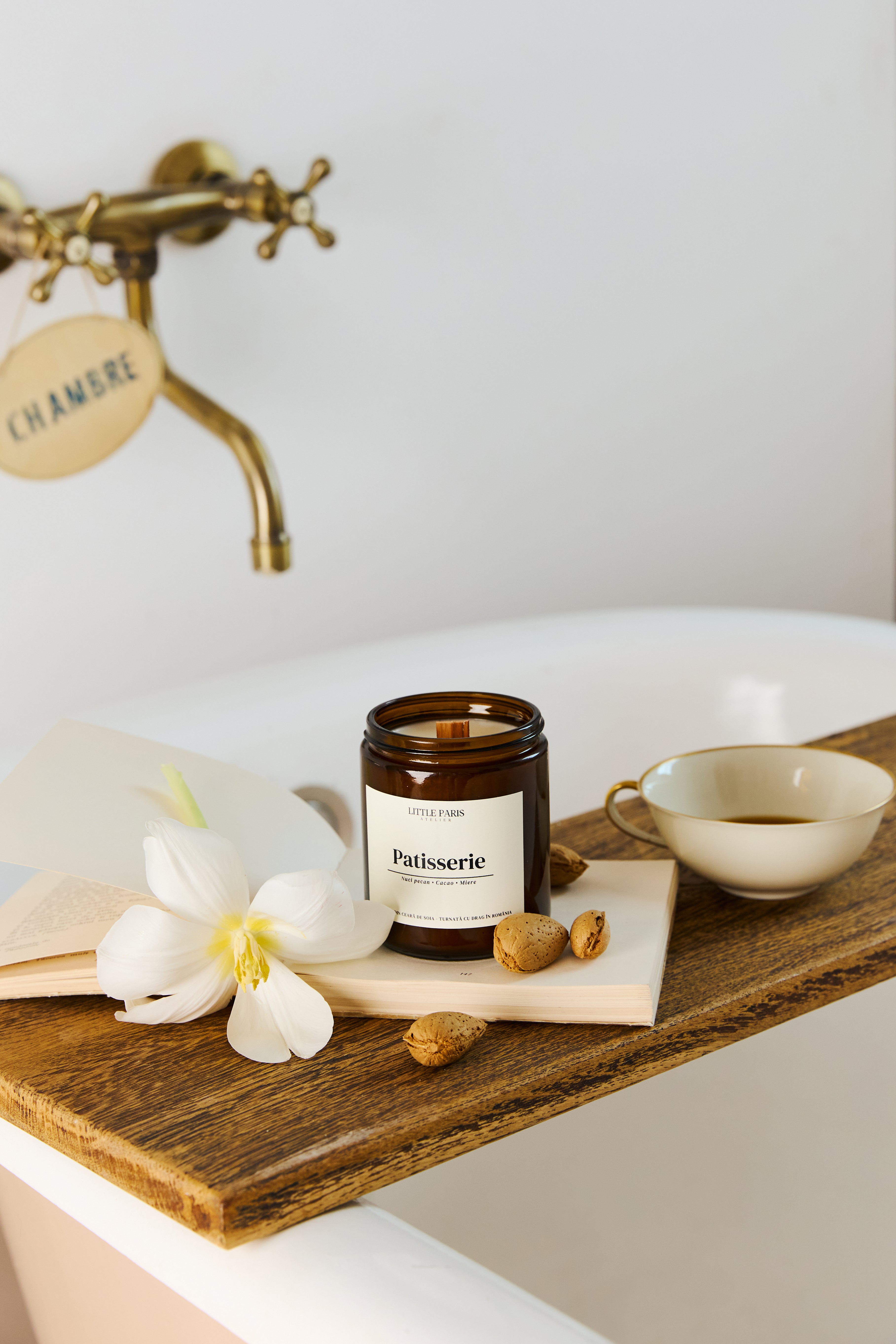
| Gourmand | Vanilla, caramel, coffee, cocoa, pâtisserie accords | Creamy, edible, comforting, nostalgic | Elixir Vanilla, Secrets in the Oven, Pâtisserie |
| Fresh* | Citrus, green notes, aquatic and marine accords | Luminous, airy, energetic | Champagne, Cosy Morning, Sea Blanche |
| Aromatic | Lavender, sage, rosemary, basil, aromatic herbs | Green, herbal, fresh | Orto di Luce, Herbes d'Or, Opéra |
| Chypre | Bergamot, labdanum, an oakmoss character | Contrasting, elegant, deep | Not in the collection |
| Leather (Cuir) | Leather accords, smoke, wood, tobacco | Dry, smoky, sometimes animalic | In His Arms |
| Fougère | Lavender, coumarin, an oakmoss character, bergamot | Aromatic, green, structured | Not in the collection |
*Olfactory classifications are not universal. Depending on the system, some of these directions may be considered families, subfamilies or umbrella categories. "Fresh", for example, is often used as an umbrella term for citrus, green or aquatic directions.
How to identify a fragrance's family in three steps
Step one: use the notes as clues, not as a verdict. The list of notes tells you where to look, but the family is defined by the overall impression of the composition. A fragrance that contains vanilla is not automatically gourmand, just as the presence of bergamot does not automatically make it citrus. What matters is how the notes are built and which character remains dominant when you smell the composition.
Step two: look for the sensation, not the ingredient. A bouquet of flowers can point you towards floral; dry wood, earth or smoke towards woody; balsamic, resinous warmth towards amber; the impression of dessert or edible ingredients towards gourmand; air, citrus or water towards fresh; and the feeling of herbs and aromatic leaves towards aromatic. These are not strict definitions, but reference points that help you build your own olfactory vocabulary.
Step three: smell by contrast. Choose two compositions with very different characters and smell them one after the other, with a short pause in between. Contrast helps you notice what, on its own, can be hard to name. Over time you begin to recognise not only the families, but also the facets within them: a green floral versus an opulent one, a dry woody versus a creamy one, or a sweet gourmand versus a spicy one.
In our candle collection and diffuser collection, each fragrance shows its main olfactory notes, which you can use as a starting point for this exercise.
Olfactory families and the seasons
Olfactory families also have their own seasonal associations. In spring and summer we often turn to citrus, airy florals, aromatic herbs and marine accords, while autumn and winter make room more easily for wood, resins, spices, vanilla and gourmand notes. Not because a fragrance necessarily "belongs" to a season, but because scents shape the way we perceive the atmosphere around us.
There is also a physical explanation behind how we perceive fragrance: temperature, air circulation and the size of a room can influence the evaporation and diffusion of aromatic compounds. In home fragrance, however, perceived intensity also depends on the type of product, the composition and, in the case of a candle, the way the scent is released as it burns. That is why the season is more a guide to atmosphere than a technical rule.
The same home can move from Champagne and Cosy Morning in June to Nocturne and Elixir Vanilla in December, just as a wardrobe moves from linen to wool. Changing your fragrance with the seasons is, after all, one of the most natural ways to change the atmosphere of a home.
Discover Little Paris Atelier
Fragrances for every kind of home
Candles hand-poured in Bucharest from natural soy wax, and reed diffusers with fragrances created around the places, journeys, emotions and memories that inspire us. From florals and woods to amber, gourmand, fresh and aromatic, each composition tells a different story.
Discover the Signature CollectionFrequently asked questions about olfactory families
How many olfactory families are there?
There is no universally accepted number. Classifications differ by school, era and system, and some categories may be considered main families in one system and subfamilies or olfactory directions in another. Floral, woody, amber, aromatic, chypre, fougère, leather and gourmand are some of the important names you will come across, while "fresh" is often used as an umbrella term for directions such as citrus, green or aquatic.
What is the difference between a note and an olfactory family?
A note is an olfactory impression we identify in a fragrance, for example bergamot, rose, cedar or leather. It can come from a natural raw material, a synthetic molecule or an accord built to recreate a particular smell. The olfactory family, by contrast, describes the overall character of the composition. That is why the mere presence of a note does not automatically determine a fragrance's family.
Which olfactory family is best for the home?
There is no single family suited to every home, nor a strict rule for each room. Citrus, green and aromatic accords can create a bright, fresh atmosphere, florals can range from delicate to opulent, and woods, ambers and gourmands can bring warmth and depth. More useful than rules are the intensity of the fragrance, the size of the room, the time of day and, above all, the atmosphere you want to create.
What does a gourmand fragrance mean?
A gourmand fragrance is built around notes or accords that evoke food and drink: vanilla, caramel, coffee, cocoa, praline and pâtisserie accords are some of the classic examples. The modern gourmand established itself in perfumery especially from the 1990s onwards, and today it goes far beyond dessert, exploring notes of grains, rice, tea, nuts and even salty accents.
Can a fragrance belong to more than one family?
Yes. The boundaries between olfactory families are not rigid, and many compositions combine characters associated with several directions. A fragrance might be described, for example, as floral-woody, citrus-aromatic or spicy amber. Names like these help us describe a fragrance's character more precisely, without trying to fit it into a single category.