Soy wax vs paraffin candles: everything you need to know
Soy wax burns cleaner and longer than petroleum-based paraffin, and it releases fragrance more naturally. The difference is not superficial: it is chemical, sensory and relevant to the health of your home.
The short answer
Soy wax is plant-based, biodegradable and burns up to 50% longer than petroleum-based paraffin. It produces less soot, diffuses fragrance more faithfully and has a significantly lower environmental impact. For quality home fragrance, the choice is clear.
What is soy wax?
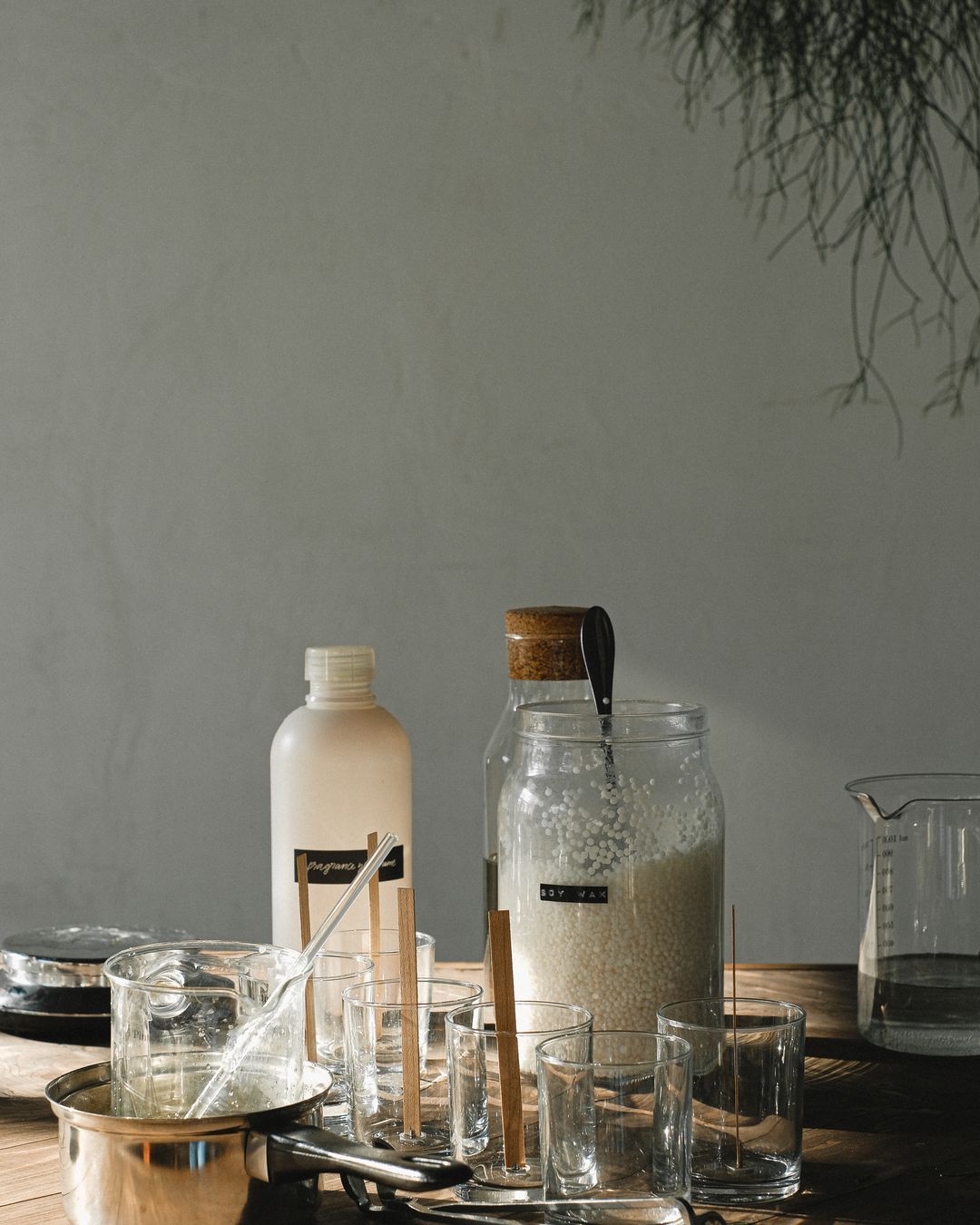
Soy wax is made by hydrogenating soybean oil, a natural process that turns the liquid oil into a solid, clean, white wax. It is 100% plant-based, biodegradable and renewable. Introduced in the 1990s as an eco-friendly alternative to traditional paraffin, it quickly became the standard for premium candles around the world.
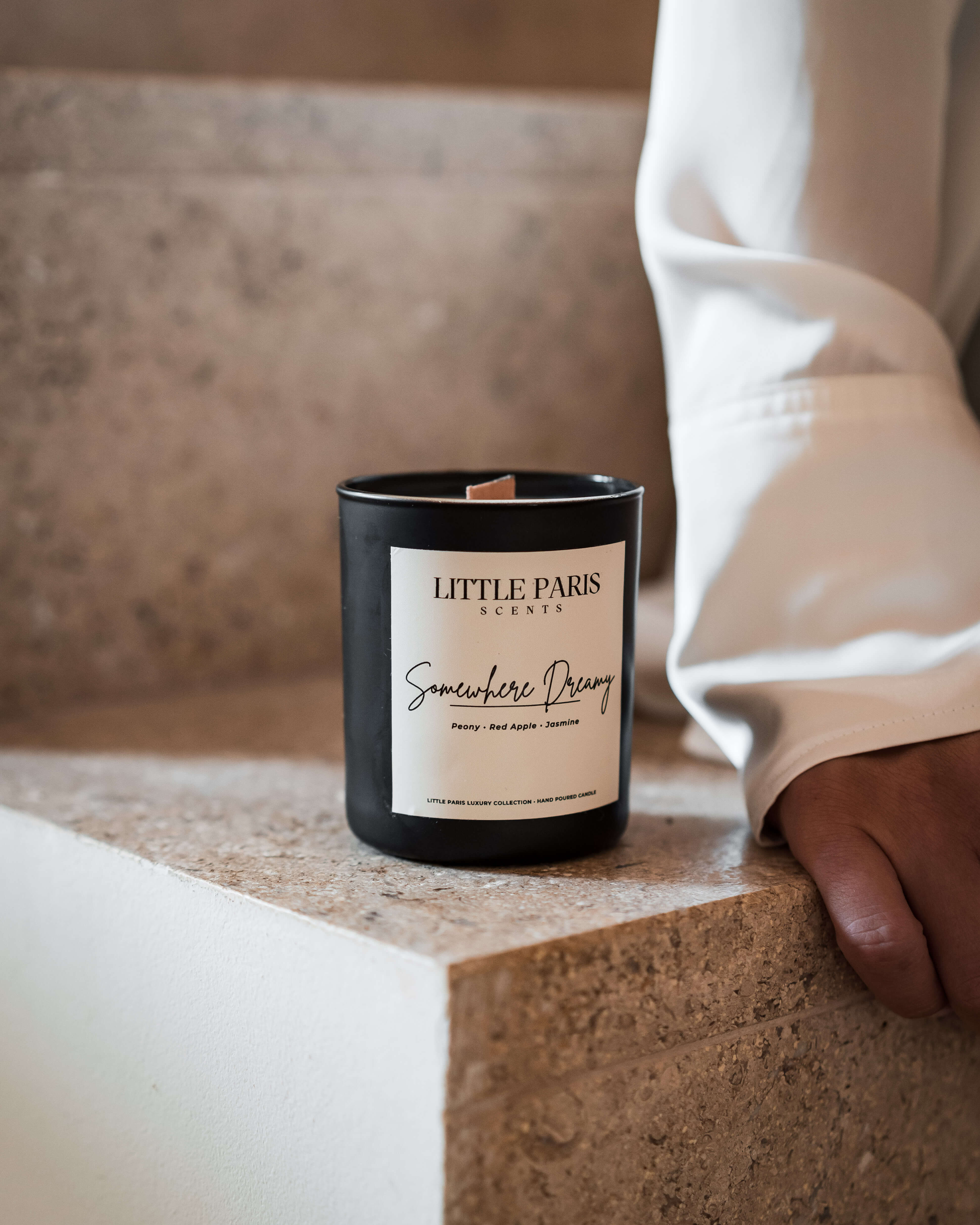
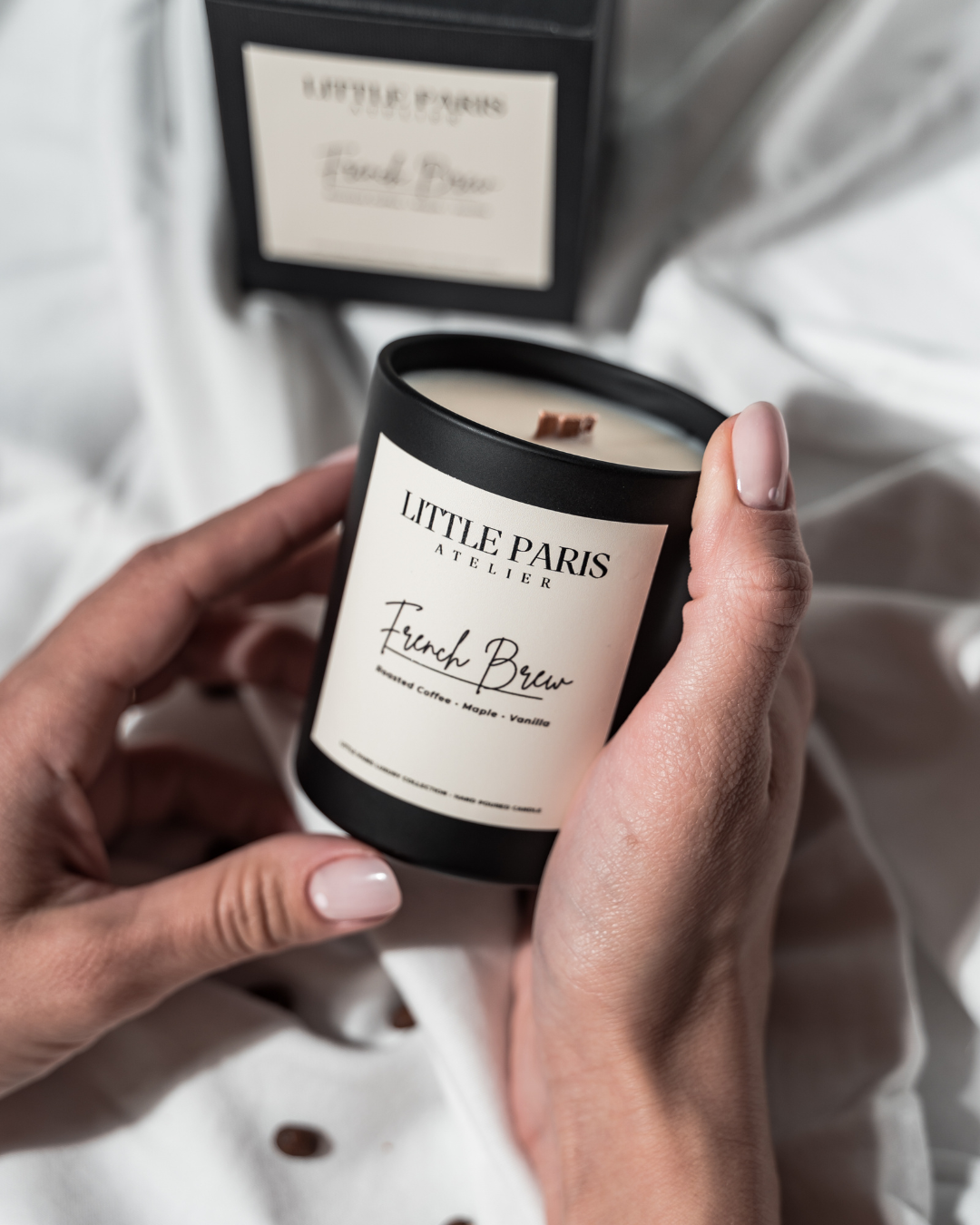
At Little Paris Atelier, all our candles are made with natural soy wax, for a clean burn and an authentic olfactory experience. The soy wax we use is of high quality, and we are always careful to keep it that way.
What is paraffin?
Paraffin is a by-product of petroleum refining. It is the most widely used wax in mass-market candles thanks to its extremely low cost and industrial availability.
When burned, paraffin can release traces of aromatic hydrocarbons, including toluene and benzene, substances that are potentially harmful in high concentrations. In small, poorly ventilated rooms that are used often, paraffin candles can noticeably affect indoor air quality.
The full comparison: soy wax vs paraffin
Here are the key differences, laid out for an informed decision:
| Criterion | Soy wax ✓ | Paraffin |
|---|---|---|
| Origin | Plant-based (soybeans) | Petroleum (crude oil refining) |
| Burn | Clean, soot-free | Produces soot and black smoke |
| Burn time | Up to 50% longer | Standard |
| Scent diffusion | Natural, balanced, long-lasting | Intense, sometimes artificial |
| Combustion by-products | CO₂ and water | Possibly toluene, benzene |
| Sustainability | Biodegradable, renewable | Non-renewable, polluting |
| Raw material cost | Higher (superior quality) | Low (mass-market product) |
Why it matters for the health of your home
According to the US Environmental Protection Agency (EPA), indoor air can be 2 to 5 times more polluted than outdoor air. The candles you light every day contribute directly to that balance. When burned, soy wax produces carbon dioxide and water vapour, natural and harmless compounds. Paraffin can release polycyclic aromatic hydrocarbons, which matters especially in the bedroom, the bathroom or any small room used often.
Expert note
Soy wax has a lower melting point, around 45 to 50°C compared with 50 to 65°C for paraffin. This creates a wider pool of melted wax around the wick, naturally amplifying the diffusion of fragrance molecules. The result is a more refined and longer-lasting hot throw.
Sustainability: a choice that matters beyond scent
Soy is a renewable crop, grown mainly in North and South America. Unlike paraffin, which is extracted from petroleum (a finite and polluting resource), soy wax renews itself season after season and is 100% biodegradable.
At Little Paris Atelier, sustainability is not a marketing argument but a design choice made from the very start. Every candle is designed to be reused: once the candle is finished, the clear glass vessel becomes a storage jar, a plant pot or a decorative piece.
How to recognise a genuine soy candle
Not every candle labelled "soy" or "natural" is 100% soy wax. Here are the signs of a genuine product:
- The surface sometimes shows small irregularities or crystallisation ("frosting"), a hallmark of natural wax that has not been chemically processed
- The colour is matte white or slightly creamy, never perfectly white and glossy like plastic
- It does not produce black smoke when burning and leaves no oily residue on the sides of the vessel
- The label explicitly states "100% soy wax", not merely "natural" or "eco-friendly"
- The maker can tell you where the wax comes from and which certifications apply
Discover Little Paris Atelier
Candles in 100% soy wax, hand-poured in Bucharest
Every Little Paris Atelier candle is made with pure soy wax, a natural wooden wick and fine fragrances, with no parabens, no petroleum and no dyes. An authentic olfactory experience, inspired by the refinement of Saint-Germain.
Discover the Signature CollectionFrequently asked questions about soy vs paraffin candles
Are soy candles really healthier than paraffin candles?
When burned, soy wax produces carbon dioxide and water vapour, natural and harmless compounds. Paraffin can release traces of polycyclic aromatic hydrocarbons. The difference matters most in small, frequently used rooms such as the bedroom or bathroom. People with respiratory sensitivities tend to tolerate soy candles significantly better.
Why does a soy candle cost more than a paraffin one?
As a raw material, soy wax costs 2 to 3 times more than paraffin. On top of that come quality fine fragrances, premium packaging and the artisanal process of pouring by hand. A genuine soy candle is a product made with intention, not a mass-market commodity.
How long does a 200g soy candle last?
A 200g soy candle burns for 45 to 55 hours on average, compared with 30 to 40 hours for the same amount of paraffin. The lower melting point of soy ensures a slower, more efficient burn. Over time, the difference in price is offset by the longer life of the candle.
Can a soy candle be as fragrant as a paraffin one?
Yes, and in many cases more effectively. Soy wax accepts a fragrance load of 6 to 12%, similar to paraffin. The difference lies in how it diffuses: soy releases fragrance smoothly and steadily, without peaks of intensity followed by sudden drops. The result is a more refined, more natural olfactory experience.
Are there candles that blend soy wax with paraffin?
Yes. Some blends sold as "natural" or "eco" contain 30 to 50% paraffin. The only guarantee is a label that explicitly states "100% soy wax" and a maker who is transparent about ingredients. At Little Paris Atelier, soy wax is the only wax we use: no blends, no compromises.